
1. Understanding Holiday Custody Schedules in California
In California, parenting plans may include arrangements for holidays, school breaks, birthdays, and other special occasions. These schedules can help families plan parenting time during the holidays, which may differ from their regular routines.
Because every family's circumstances are different, holiday custody arrangements can vary.
Some holidays and occasions that may be addressed in parenting plans include:
Thanksgiving and Thanksgiving weekend
Christmas Eve and Christmas Day
Winter and spring school breaks
New Year's Eve and New Year's Day
Birthdays and other family celebrations
Mother's Day and Father's Day
Have questions about your holiday parenting schedule or need more information?
North Bay Family Law is here to help you better understand your options. Contact our team to schedule a free consultation and receive guidance tailored to your family's circumstances.
2. Common Holiday Parenting Arrangements
Every family has different traditions, schedules, and needs. Holiday parenting arrangements can reflect those differences. Some arrangements families may encounter include:
Alternating Holidays
Some families alternate holidays between households each year, allowing parents to celebrate different occasions with their children.
Dividing Holiday Time
Some parenting schedules divide a holiday into separate periods, allowing children to spend time with each parent when appropriate.
Sharing School Breaks
Longer school vacations, such as winter break, may be divided into separate periods.
Celebrating on Different Days
Families may also create traditions around their established parenting schedules. A Thanksgiving dinner on another day or an early Christmas celebration can still be meaningful.
These are general examples of how families may organize holiday celebrations. Individual arrangements depend on each family's circumstances and any applicable parenting agreements or court orders.
The goal is to create positive holiday experiences while keeping children's needs and family relationships in mind.
3. Planning Ahead for Holiday Parenting Time
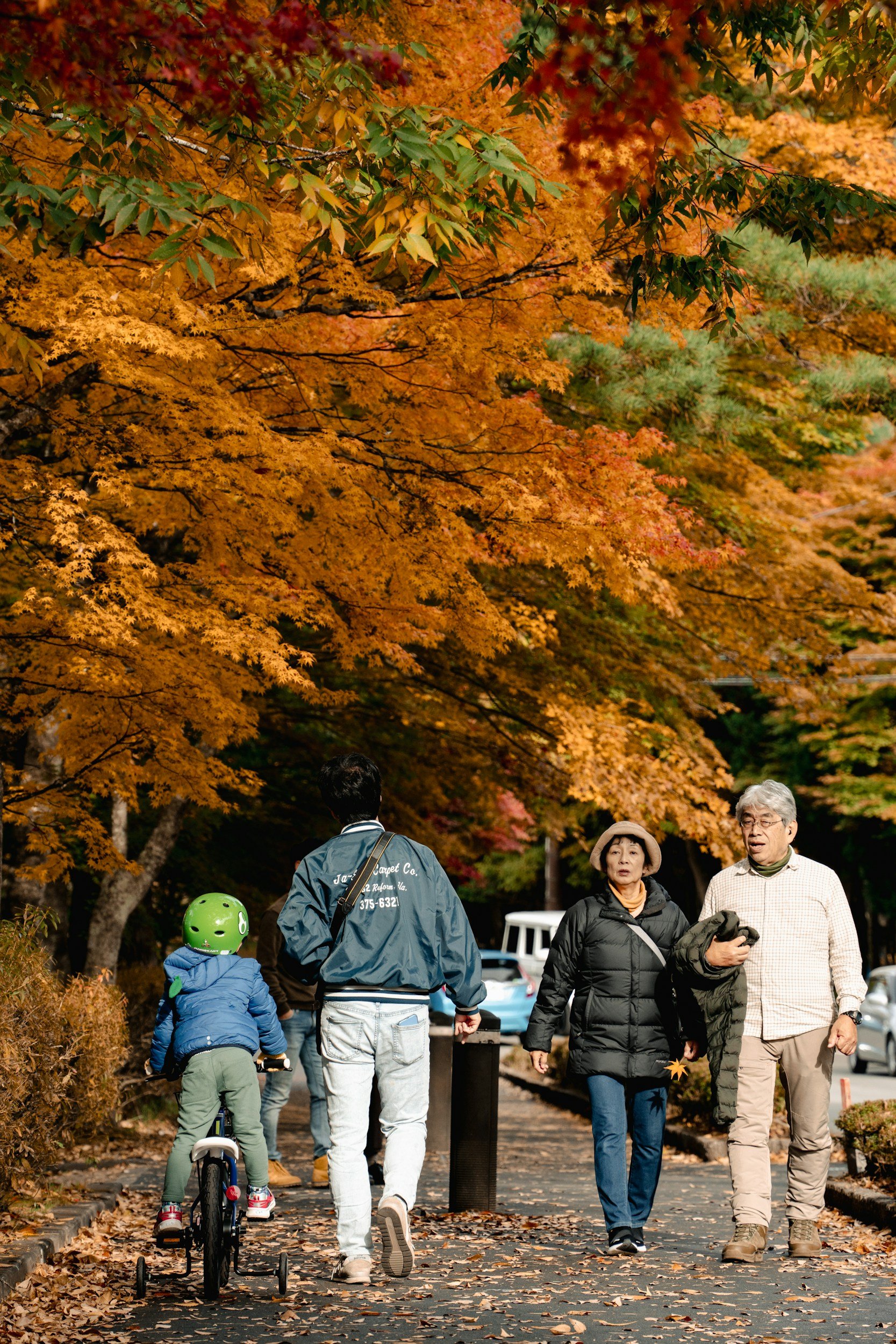
Between school schedules, work commitments, travel, and family gatherings, the holiday season can become busy.
Planning ahead can help families stay organized and reduce unnecessary stress.
A few helpful considerations include:
Becoming familiar with existing holiday parenting arrangements.
Keeping important dates and schedules organized.
Planning transportation and holiday activities in advance.
Considering children's school calendars and family traditions.
Communicating respectfully when appropriate.
Allowing time to prepare for upcoming celebrations.
Even with thoughtful planning, unexpected circumstances can arise.
Travel delays, work commitments, and changes in family plans may create additional questions about holiday arrangements.
If you have questions about an existing custody agreement or potential schedule changes, North Bay Family Law can provide information about the legal options that may be available for your circumstances.
4. Keeping Children's Well-Being at the Center
The holiday season can be exciting for children, but changes in family routines may also bring mixed emotions.
Some children may enjoy celebrating in two households, while others may need additional time to adjust.
Creating a supportive environment can help children feel more comfortable during the holidays.
A few helpful reminders include:
Explain holiday plans in an age-appropriate way.
Encourage children to express their feelings.
Offer reassurance when routines change.
Avoid involving children in disagreements between adults.
Support positive family relationships when safe and appropriate.
Include children in planning holiday activities and traditions.
Children should not feel responsible for managing adult disagreements or making decisions about parenting arrangements.
A gentle reminder: Children don't need a perfect holiday. Feeling safe, supported, and loved can make the season special.
5. Creating Positive Holiday Experiences and New Traditions
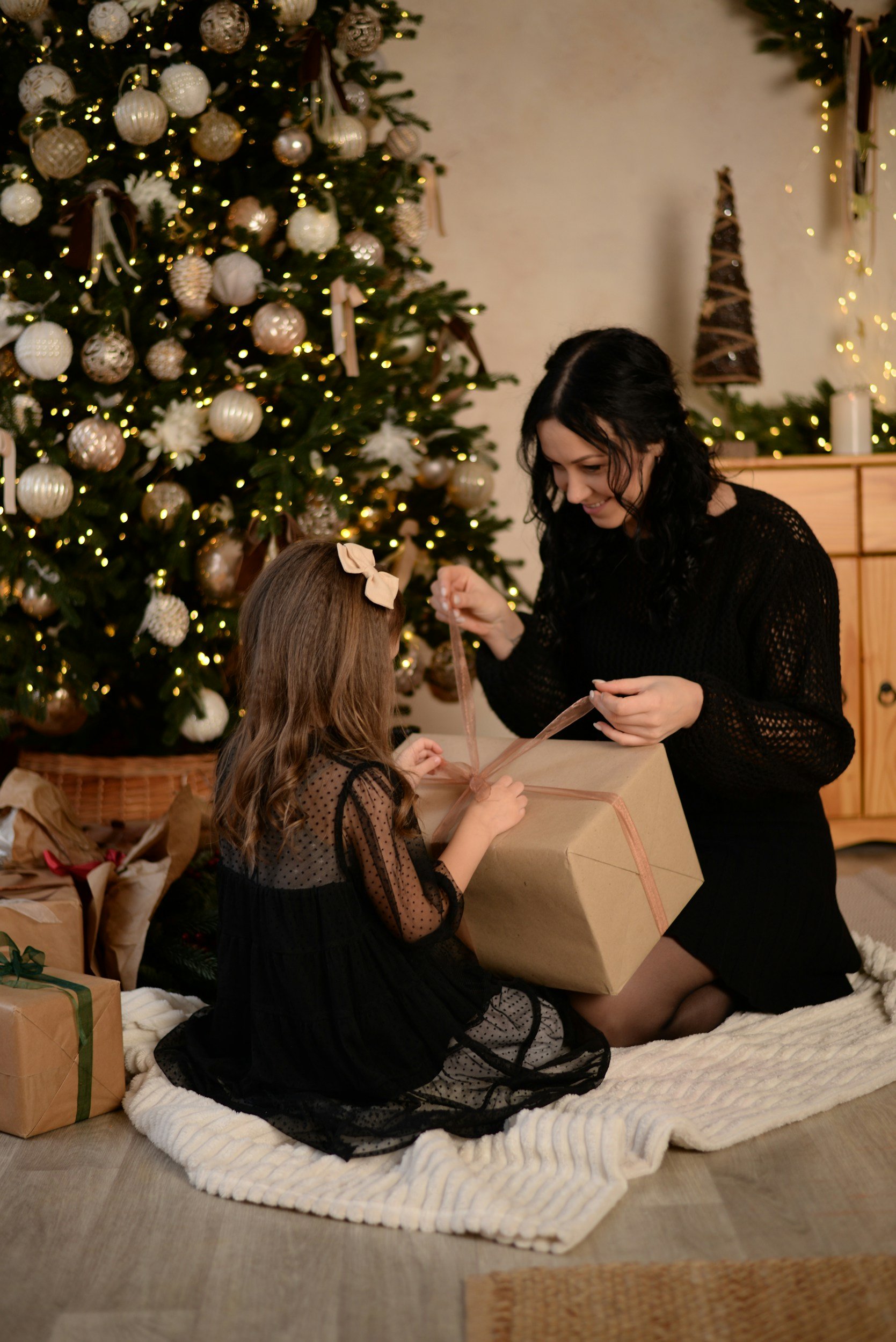
While holiday parenting schedules are an important part of planning, they don't have to define the entire holiday experience.
Families can create lasting memories in many ways, even when celebrations take place on different days.
Whether it's baking cookies, decorating together, watching holiday movies, or preparing a favorite family meal, small traditions can make the season special.
For families adjusting to life after divorce, the holidays can also offer opportunities to create new routines that reflect their changing circumstances.
A celebration doesn't have to happen on a particular date to be meaningful.
What matters most is creating an environment where children feel included, valued, and cared for.
For more holiday inspiration, explore our blog, Thanksgiving After Divorce: 5 Tips for a Happy, Meaningful Holiday, for additional ideas on family traditions, boundaries, and co-parenting.
Moving Forward With Confidence This Holiday Season
Navigating holiday parenting schedules after divorce or separation may involve additional planning, communication, and flexibility.
Every family is different, and understanding your family's existing arrangements can help make the holiday season more manageable.
With thoughtful preparation and a focus on family, parents can spend less time worrying about schedules and more time enjoying the moments that matter.
Questions About Child Custody or Holiday Parenting Plans?
The holidays can bring additional questions about parenting schedules and family arrangements. If you need guidance, North Bay Family Law is here to help.
We proudly serve families throughout Sonoma County, Mendocino County, Lake County, and surrounding Northern California communities.
Whether you're navigating a recent separation or have questions about an existing parenting arrangement, our team can help you better understand your options.
Contact North Bay Family Law to schedule a free consultation.
Disclaimer: This article is for general informational purposes only and does not constitute legal advice or establish an attorney-client relationship. Family law matters depend on individual circumstances and applicable court orders.